

This shift in payments infrastructure reflects a transformation in the fintech landscape. The structural shift will align embedded finance, RTP systems, AI solutions, and risk-first regulatory models. It determines the potential of fintech service systems to scale sustainably.
AI Is Now Core in Financial Technology Support
Artificial intelligence is transforming financial technology with a shift to the infrastructure layer. This is visible in real-time fraud monitoring, custom financial advice generation, automated loan approvals, and predictive fintech reporting.
With AI in transaction flows, the payments niche wins with real-time settlements. Risk assessment can be faster in instant payment support. The transaction velocity can be captured and dynamically aligned with AI decision engines.
Going forward, explainable AI technology will be critical for core compliance teams and regulatory providers. Currently, fintech operators are leading in the AI adoption rates, as per McKinsey analysis.
The combination of generative AI and predictive analytics helps businesses to optimize resource allocation, automate function management, and offer tangible value.
Real-Time Payments Are Reframing Money Movement Risks
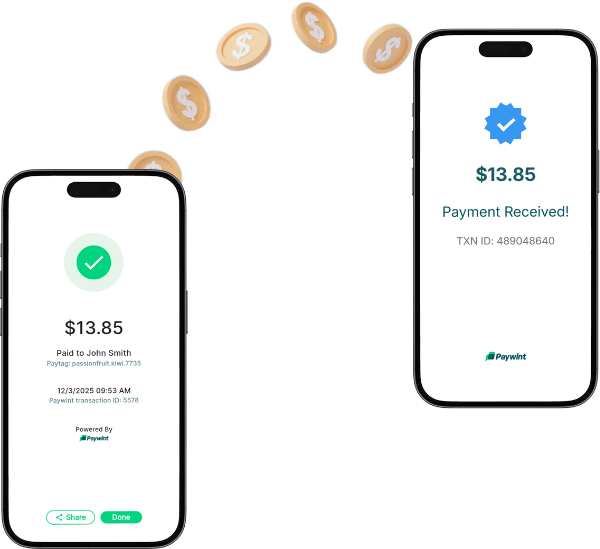
Real-time payment rails prioritize speed, contributing to the reframing of risks attached to money movement. The network is expanding, with defined attributes for domestic payment rails and A2A transfers. Faster settlement is directly proportional to liquidity and cash flow forecasting.
Speed assists with the shift in risk handling and management. Some of the risk dimensions are exposure to sophisticated attacks and the detection of shrinking payment windows.
Financial institutions like Paywint and businesses should implement strategic mitigation procedures. A few parameters to consider are pre-validation, effective compliance, behavioral intelligence, etc.
Practically, risk scoring should happen before funds transfer. Embedding of risk controls in the payment rails is essential. Data from The Clearing House (TCH) provides the numbers to back up the reliable payments system.
Embedded Finance is Reshaping Fintech
Embedded finance is growing in stature in the fintech industry. Integrations in lending, payments, insurance, crypto, API tools, inventory support, and online platforms merge to offer the best solutions. Peer-to-peer (P2P) transfers, Buy Now Pay Later (BNPL), and neobanks are part of the fintech collaboration.
With embedded finance, a business can enhance user experience without compromising credit access or revenue. KYC/AML obligations and transaction monitoring are active components of embedded finance. Its scalability is pivotal in automated workflows to reduce risks.
The fintech ecosystem in embedded finance would cover stakeholders such as anchor platforms, financial institutions, and API-enabled payment infrastructure. Market insights from Mordor Intelligence showcase the size and growth of embedded finance.
Defining Fraud Prevention with Digital Infrastructure
Fraud detection and protection are an infrastructure-level priority now. Device access, behavioral analytics, and risk scoring are part of it. Learning fraud patterns will enable fintech to tackle data manipulation and unauthorized access.
Strategies to overcome the fraud surge include collaborative threat intelligence, coordinated payment orchestration efforts, and multi-layered security for defending payment integrity.
Automated processes to ensure transaction visibility and constant retraining help detection engines identify the fraud patterns. Sophisticated cybercriminal tactics can be easily thwarted in this scenario.
Open Banking & The API Economy
A combination of open banking and API economy can contribute to managing real-time financial data. It helps streamline transactional operations and the general user experience. This secures a compliant system to integrate scalability.
Data exchange through API interfaces and connectivity can deliver reliability to payments. Open banking helps businesses discover and redefine financial services by structurally aligning opportunities and challenges. It prepares operators to combine innovation in fintech orchestration with enhanced governance.
Digital Settlement Terms and Cryptocurrency
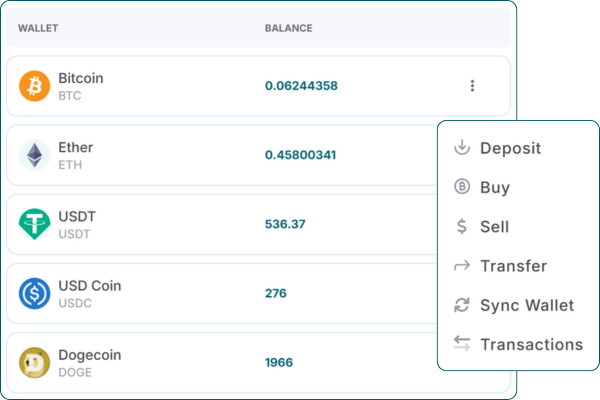
Digital settlement covers the use of crypto models, blockchain technology, and stablecoins to eliminate delays and clear payouts instantly. It is mature enough to validate exchanges in cross-border regulations.
Tokenization is key to governing cross-border payments and liquidity mechanisms. Future markets can make the most of cryptocurrency solutions to enable a programmable financial framework.
The system integration involves a hybrid infrastructure in digital settlements. The exchange of value is instantaneous with the modern payments infrastructure.
Mature Industry Tactics with Infrastructure Narrative
In fintech, infrastructure development follows a mature strategy. The idea is to go for long-term stability and ensure deep trust. Companies can build niche-specific solutions to elevate their transaction workflow.
The data architecture can deploy a clean, AI-ready process. It assists businesses with reliable and transparent AI integrations. For organizations and fintech providers dealing with top-tier services such as Banking-as-a-Service (BaaS), the adoption of compliance is the biggest differentiator.
An infrastructure-driven system can deliver higher transactional revenue, API-first distribution, seamless vertical SaaS structure, and international solutions for fragmented local rails.
Conclusion: Aligning Trust & Consistency with Fintech Convergence
While converging AI solutions, the RTP framework, embedded finance, and fraud prevention services, objectives in trust, integrity, quality, and consistency should align. A key pillar is the standardized partnerships that involve a unified governance process for payments.
As the industry goes forward with instant settlements, the onus is on systems and processes adopted by proven platforms like Paywint, designed and facilitated to withstand speed and volume.