
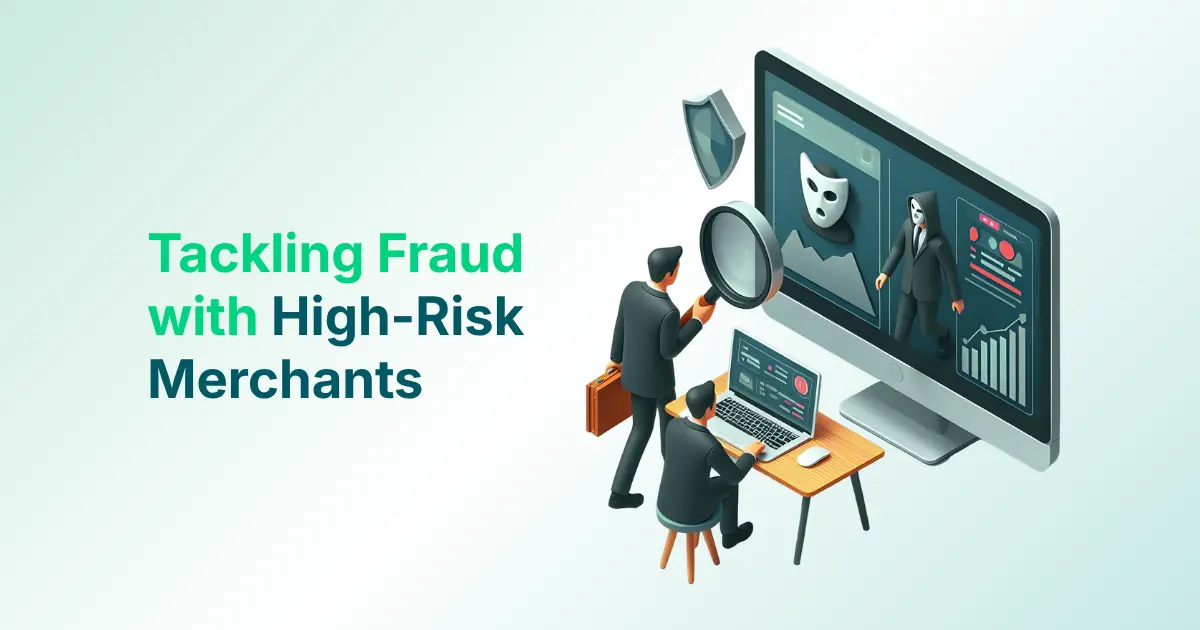
The Definition of High-Risk Merchants
In a simple context, high-risk merchant accounts are estimated by banks to be susceptible to fraud and illegal activities. They operate in high-risk sectors where the navigation of the payment model is not easy. Some of the common categories in this classification are:
- Drugs and related products
- Arms and ammunition supplies
- Adult entertainment industry
- Online gaming and betting sectors
- Currency-related segments
Common Fraud Possibilities in High-Risk Businesses
When a high-risk business operates in the payments space, it could give rise to fraud and illegal activities. Some of the major fraud-related issues to consider are:
Identity fraud
Fraudsters and criminals use fake information to create identity verification issues. These could give rise to falsified records and the stealing of quality data.Transaction fraud
Transaction-related fraud practices could arise in high-risk business solutions. It could be in the form of unauthorized refunds, chargebacks, and illegal funds flow.Insider fraud
Data breaches and inside information capture could occur in high-risk businesses depending on their overall workflow. Stricter controls should be exercised by merchants to challenge and overcome such issues.Cybercrime
Like most digital arms of business, high-risk services are also prone to cybercrime and related problems. Billing schemes and vendor-related problems could also pose trouble in this regard.Regulatory issues
Payment and other segments of a business could experience hassles with respect to the regulations and active compliance norms. These could be problematic in the long term, affecting the trust and credibility associated with organizations.Tactics to Reduce Fraud & Deception Associated with High-Risk Businesses
Robust techniques and solutions should be in place to overcome fraud and deception to leverage dynamic business flow. A few of the tactics adopted by fintech solutions to overcome high-risk businesses include:
Advanced technology solutions
Modern and innovative measures can be used to create value in the area of identity verification and checks. It could also help with the creation of digital footprints associated with automated fintech solutions. High-risk businesses can grow using this model.Enhanced onboarding procedure
Adding security layers to the onboarding procedure is a realistic way of building value for high-risk models. The onboarding works equally well for B2B processes and individual customer-oriented businesses.Risk mitigation measures
A qualitative risk mitigation procedure should be in place to build an optimum value for all financial transactions. Platforms serving high-risk models should give weightage to this specific scenario.Authorized training tactics
Specialized training tactics should be implemented within the model with authorized access to integrate high-risk merchant support services. It will matter in the adoption of payment management services as well.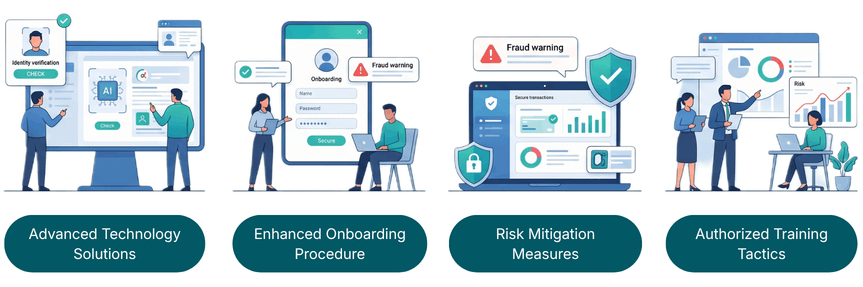
Strategic Tools & Technologies to Adopt to Manage High-Risk Merchants
Embracing the use of strategic tools and technologies helps high-risk merchants to stay in the legal lane without compromising their operations. The main tools and platform technologies that businesses can adopt cover the following:
Dispute management portals
The use of portals to control and manage disputes is mandatory to optimize the payment functions of high-risk businesses. It could add to strategies that maintain value from a fintech perspective.AI-integrated fraud management platforms
An important classification of fraud management that delivers relevance to businesses is the use of smart and intelligent technology. AI portals and practices can help you effectively in such cases.Automated compliance solutions
The compliance practices and solutions should be automated to create a top-notch business model where audits and checks in the transactional areas are handled and evaluated efficiently.Security protocol tools
Different security protocols and layers of privacy functions used adequately can help build a business’s standing during high-risk transactions and monetary deals.Conclusion: Learn How Paywint Accommodates Top-notch Techniques to Manage High-Risk Business Models
Paywint’s business model includes unique product capabilities and targeted workflow processes to identify and manage high-risk merchants. The fintech facilitator understands that the line between high-risk models and illegal practices is thin. Paywint follows exclusive practices to stay within the line in terms of compliance, verification checks, payment workflow, and transfer and settlement of funds.
Paywint has set up its internal due diligence and compliance regulations to follow a dynamic process that measures each case according to its unique position and flow. Indicators to mark red flags will be in place and can be managed within the product’s capabilities. The company follows resourceful and proactive measures to tackle these scenarios.
Frequently Asked Questions
How can payment businesses detect fraud when working with high-risk merchants?
Payment businesses can reduce fraud risks by using advanced KYC verification, transaction monitoring, AML compliance checks, device fingerprinting, and real-time fraud detection systems for high-risk merchants. Paywint helps businesses manage high-risk merchant payments with secure verification systems, risk monitoring, and fraud prevention solutions across global markets.
What are the best fraud prevention strategies for high-risk merchant accounts?
The best fraud prevention strategies for high-risk merchant accounts include multi-layer authentication, chargeback monitoring, AI-powered risk analysis, transaction velocity checks, and continuous compliance reviews. Paywint provides secure payout and payment infrastructure designed to help businesses minimize fraud, reduce chargebacks, and safely handle high-risk transactions.
Why are high-risk merchants more vulnerable to payment fraud and scams?
High-risk merchants are more vulnerable to fraud because they often operate in industries with high chargeback rates, cross-border transactions, subscription billing, or weak customer verification processes. Paywint supports high-risk businesses with secure payment processing, fraud screening tools, and reliable payout solutions to improve transaction security.
How do fintech companies safely handle payments for high-risk merchants?
Fintech companies safely handle payments for high-risk merchants by implementing strong compliance frameworks, automated fraud detection, transaction monitoring, and secure banking partnerships. Paywint enables businesses to process and send payments securely while improving fraud protection and operational reliability for high-risk merchant industries.
| Feature | High-Risk Business | Illegal Business |
|---|---|---|
| Examples | Gaming, Forex | Scam and fake schemes, money laundering |
| Business Intent | Legitimate with a risk-prone approach | Deception, fraud, and manipulation |
| Banking Assistance | Limited, with access to exclusive partners | No banking support |
| Compliance | Space for specific norms and regulatory metrics | Not connected to any KPIs under legal compliance |
| Payment Processing | Allowed with strict monitoring | Prohibited |